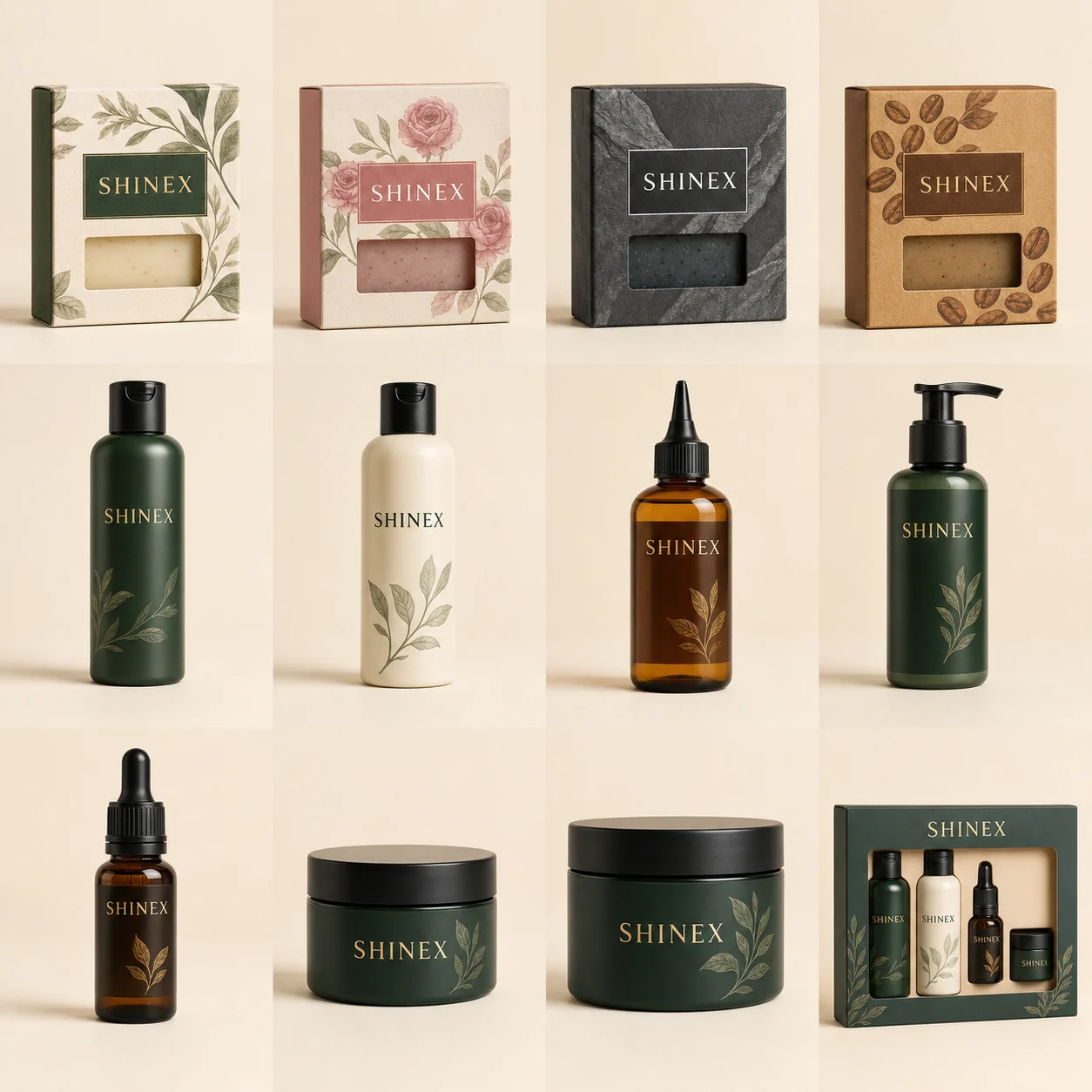
A hair serum is usually a lightweight finishing product that smooths the surface of the hair, reduces the look of frizz and adds shine. A hair oil is usually a richer product used to soften and condition, often before washing or as a nourishing finish. Some products blur the line, and scalp serums are a separate category again, so the label and directions always matter. Neither serums nor oils have reliable evidence for making hair grow.
What does a hair serum do?
Many hair serums contain ingredients that form a thin, flexible film over the hair shaft. That film reduces friction between strands, which helps hair look smoother, shinier and less frizzy, and it washes out with shampoo. A review in the *International Journal of Trichology* explains how hair cosmetics like these act on the hair's surface (Gavazzoni Dias, 2015).
Scalp serums are formulated differently. They are applied to the scalp rather than the lengths, and their purpose depends entirely on their ingredients.
What does a hair oil do?
Hair oils soften, smooth and add shine. Some oils have been studied for how they interact with hair. A well-known study found that coconut oil applied before washing reduced protein loss from hair, while mineral oil and sunflower oil did not show the same effect (Rele and Mohile, 2003). That difference comes from the structure of each oil, which is why one oil cannot be assumed to behave like another.
Side by side
| Hair serum (lengths) | Hair oil | |
|---|---|---|
| Typical texture | Light, silky | Light to rich |
| Main role | Smoothing, shine, frizz control | Softening, conditioning, pre-wash care |
| When used | After washing, on damp or dry hair | Before washing or as a finish |
| Amount | Usually a few drops | Varies by use |
How do you choose between them?
Choose a serum if your main concern is frizz, roughness or a dull finish after styling.
Choose an oil if you enjoy a pre-wash ritual, your hair feels dry or brittle, or you want a richer finish on ends.
Use both if you like: oil before washing, serum after.
How should you use a hair serum?
- Wash and condition.
- Squeeze out excess water, or wait until hair is dry, depending on the product.
- Warm a small amount between your palms.
- Smooth through mid-lengths and ends, avoiding the roots unless it is a scalp product.
How should you use a hair oil?
Pre-wash: apply to dry hair (and scalp, if the product suits it), leave for the time the product suggests, then shampoo thoroughly.
As a finish: a drop or two on dry ends.
Using too much oil means repeated shampooing to remove it, which can leave the scalp feeling stripped.
How do you match products to your hair type?
| Hair type | Serum tips | Oil tips |
|---|---|---|
| Fine or thin | Use very little, on ends only | Lighter oils, mainly pre-wash |
| Thick or coarse | Can handle a little more | Richer oils often feel good |
| Curly or coily | Serums can help define and reduce frizz | Oils help soften and reduce friction |
| Oily scalp | Keep products away from the roots | Focus oil on lengths, not scalp |
| Colour-treated or heat-styled | Smoothing serums can improve feel | Pre-wash oiling may help lengths feel softer |
What does a gentle pre-wash oiling routine look like?
- Start with dry, detangled hair.
- Warm a modest amount of oil between your palms.
- Apply to the lengths first, then the scalp if the product is suitable for it.
- Massage the scalp gently with fingertips, not nails.
- Leave for the time suggested on the product.
- Shampoo thoroughly; you may need two lathers.
- Condition as usual.
Overnight oiling is a family tradition for many people, but it is not necessary, and on an oily or irritated scalp it can do more harm than good.
What about hair growth claims?
Oiling has a long tradition in South Asia, often with stories about thicker, faster-growing hair. There is no reliable evidence that topical oils or cosmetic serums grow hair. If you are experiencing hair loss or thinning, a dermatologist can investigate the cause, which may be related to health, hormones, nutrition or other factors.
Common mistakes
- Applying serum to the scalp when it is designed for lengths.
- Using far too much product, leaving hair greasy.
- Oiling an irritated or flaking scalp without advice.
- Expecting either product to repair split ends permanently. Split ends can only be removed by trimming.
- Assuming all oils behave the same.
Who should be careful?
People with oily scalps, scalp conditions or sensitive skin should read ingredient lists carefully and patch test. Anyone with sudden hair loss should seek professional advice.
Frequently asked questions
Can I use hair oil and serum together?
Yes, usually at different times: oil before washing, serum after.
Does hair serum damage hair?
Generally no. Most finishing serums simply coat the hair and wash out.
Is hair oil better than serum for frizz?
Both can help. Serums are often lighter and designed specifically for smoothing.
How long should I leave oil in my hair?
Follow the product's directions. Many people oil for an hour or so before washing.
Can hair oil or serum stop hair fall?
There is no reliable evidence that they stop hair fall. See a professional about hair loss.
In short
Serums usually smooth and finish; oils usually soften and condition. Choose based on what your hair needs, use small amounts, and keep expectations realistic. Neither will grow hair, but both can make it feel and look better cared for.
Our Hair Serum 1, Hair Serum 2, Oil 1 and Oil 2 pages will publish their exact purpose and directions before sale.
Sources
- Gavazzoni Dias MFR. Hair cosmetics: an overview. *Int J Trichology*. 2015.
- Rele AS, Mohile RB. Effect of mineral oil, sunflower oil, and coconut oil on prevention of hair damage. *J Cosmet Sci*. 2003.