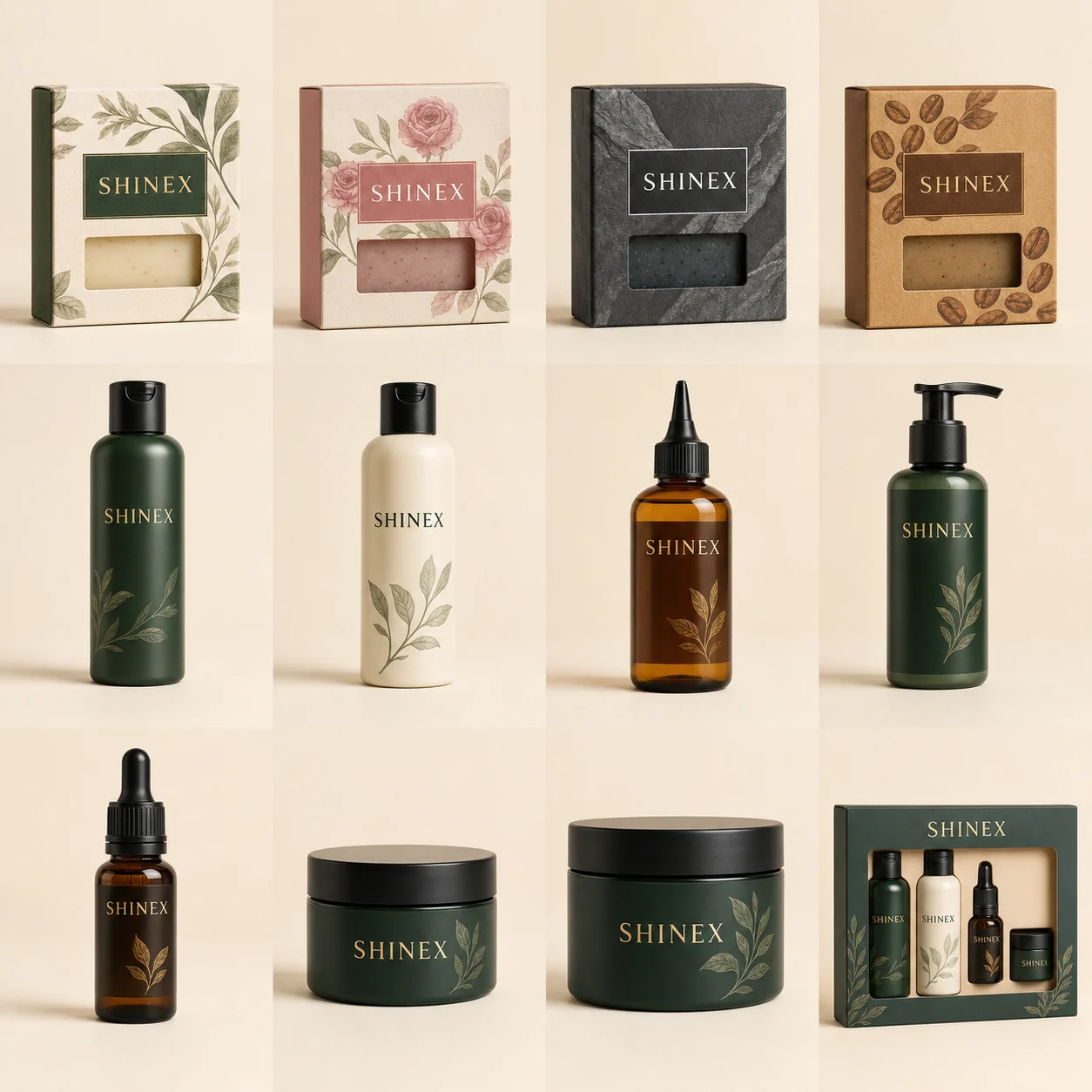
The right facial cleanser leaves your skin clean and comfortable, never tight, squeaky or itchy. Choosing one is less about finding a product labelled for your skin type and more about noticing how your face feels in the hour after washing. If it feels stripped, try something gentler; if it feels greasy or still has residue, you may need a more thorough cleanser or a second cleanse.
That single test, how your skin feels afterwards, will guide you better than most packaging claims.
Why does the cleanser matter so much?
Cleansing removes oil, sweat, pollution, sunscreen and make-up. It is also the step most likely to upset your skin if you get it wrong. Your skin's outer layer contains oils and lipids that help it stay comfortable and hold water. Harsh cleansing removes too much of that, and many people who believe they have sensitive skin are actually over-cleansing.
A cleanser is only on your face for a minute, so it cannot do much "treatment". Its main job is to clean without causing problems. That makes gentleness a feature, not a weakness.
What types of cleanser are there?
| Type | Typical feel | Often preferred by |
|---|---|---|
| Gel cleanser | Light, often foams gently | Oily and combination skin |
| Foaming cleanser | Rich lather | People who like a "clean" feel; can be drying |
| Cream or lotion cleanser | Soft, low or no foam | Dry or easily irritated skin |
| Oil or balm cleanser | Melts make-up and sunscreen | First step of a double cleanse |
| Micellar water | No rinse needed (some are rinsed) | Quick cleansing, travel |
| Exfoliating cleanser | Contains acids or other exfoliants | Skin that tolerates exfoliation |
These are general descriptions. Two cleansers of the same type can feel completely different depending on their formula.
How do you match a cleanser to your skin?
If your skin feels tight or dry after washing, choose a cream, lotion or very gentle gel cleanser, and use lukewarm water.
If your skin feels oily by midday, a gel cleanser often works well. Avoid the temptation to scrub harder or wash more often; that can make skin feel oilier.
If your skin reacts easily, keep things simple: a fragrance-free, gentle cleanser, used briefly.
If you wear heavy sunscreen or make-up, consider double cleansing in the evening: an oil-based cleanser first, followed by your regular cleanser.
Should you use an exfoliating cleanser?
Exfoliating cleansers, such as those containing glycolic acid, can help skin feel smoother and look brighter. Because they are rinsed off, they are generally milder than leave-on exfoliants with similar ingredients. They are still not ideal for everyone or for every day. Many people keep a gentle cleanser for daily use and an exfoliating one for a few times a week. Our guide on glycolic acid in cleansers explains the precautions.
How should you wash your face?
Good technique matters as much as the product. The American Academy of Dermatology's face-washing tips cover the basics. In practice:
- Use lukewarm, not hot, water.
- Apply cleanser with your fingertips rather than a rough cloth or brush.
- Massage gently for under a minute.
- Rinse thoroughly, including your hairline and jaw.
- Pat dry with a clean towel, then moisturise.
What are the most common cleansing mistakes?
Washing too often. Twice a day, and after heavy sweating, is enough for most people.
Using very hot water. It can leave skin feeling dry and irritated.
Scrubbing hard. Friction does not clean better; it irritates.
Choosing by lather. A big foam is not a sign of better cleaning, and very foamy cleansers can be drying.
Using body soap on your face. Body products are often formulated differently and may be too strong for facial skin.
Skipping moisturiser afterwards. Even a gentle cleanser removes some oils, so follow with a moisturiser.
Do you need to cleanse in the morning?
Many people cleanse morning and evening. If your skin is dry and you cleansed well the night before, a simple water rinse or a very gentle cleanse in the morning may be enough. Oily skin often prefers a proper morning cleanse. Either approach is reasonable; pay attention to how your skin responds.
Does hot, humid weather call for a stronger cleanser?
It is a common instinct: the hotter and stickier the day, the more you want a cleanser that makes your face feel squeaky. Resist it. Sweat and humidity can make skin feel oilier, but stripping it with a harsh product often leaves it tight and uncomfortable an hour later. A gel cleanser used gently, followed by a light moisturiser, usually handles the heat better than a strong foaming wash. If you sweat heavily during the day, a quick rinse with water and a gentle cleanse in the evening is generally enough.
In winter, the opposite happens. Skin that tolerated a gel cleanser in July may feel tight in January. Switching to a cream or lotion cleanser for the colder months is perfectly normal.
Frequently asked questions
Can I use the same cleanser morning and night?
Yes. Most people do. You might add a first cleanse at night if you wear make-up or water-resistant sunscreen.
Is a foaming cleanser bad for skin?
Not necessarily. It depends on the formula. If a foaming cleanser leaves your skin tight, switch to a gentler one.
How long should I leave cleanser on my face?
Around 30 to 60 seconds of gentle massage is usually enough, unless the product's directions say otherwise.
Do I need a separate make-up remover?
Not always. A thorough cleanser may be enough for light make-up. Heavier make-up often benefits from an oil or balm first.
Is micellar water enough on its own?
It can be for quick cleansing, but many people still prefer a rinse-off cleanser in the evening.
In short
Judge a cleanser by how your skin feels afterwards: clean and comfortable is the goal. Choose a format that matches your skin and habits, wash gently with lukewarm water, and follow with moisturiser. Gentle cleansing is the quiet foundation of every good routine.
Our everyday Cleanser 1 and our Glycolic Acid Face Wash will each have full label details on their product pages before they go on sale.
Sources
- American Academy of Dermatology. Face washing 101.
- U.S. Food and Drug Administration. Alpha hydroxy acids.